
Egypt Advances USD 5bn Medical Cities in New Capital and New Alamein
egypt-five-billion-medical-cities-new-capital-new-alamein
Egypt is advancing two integrated medical-city proposals, but land, contracts, operators and delivery schedules remain under negotiation.
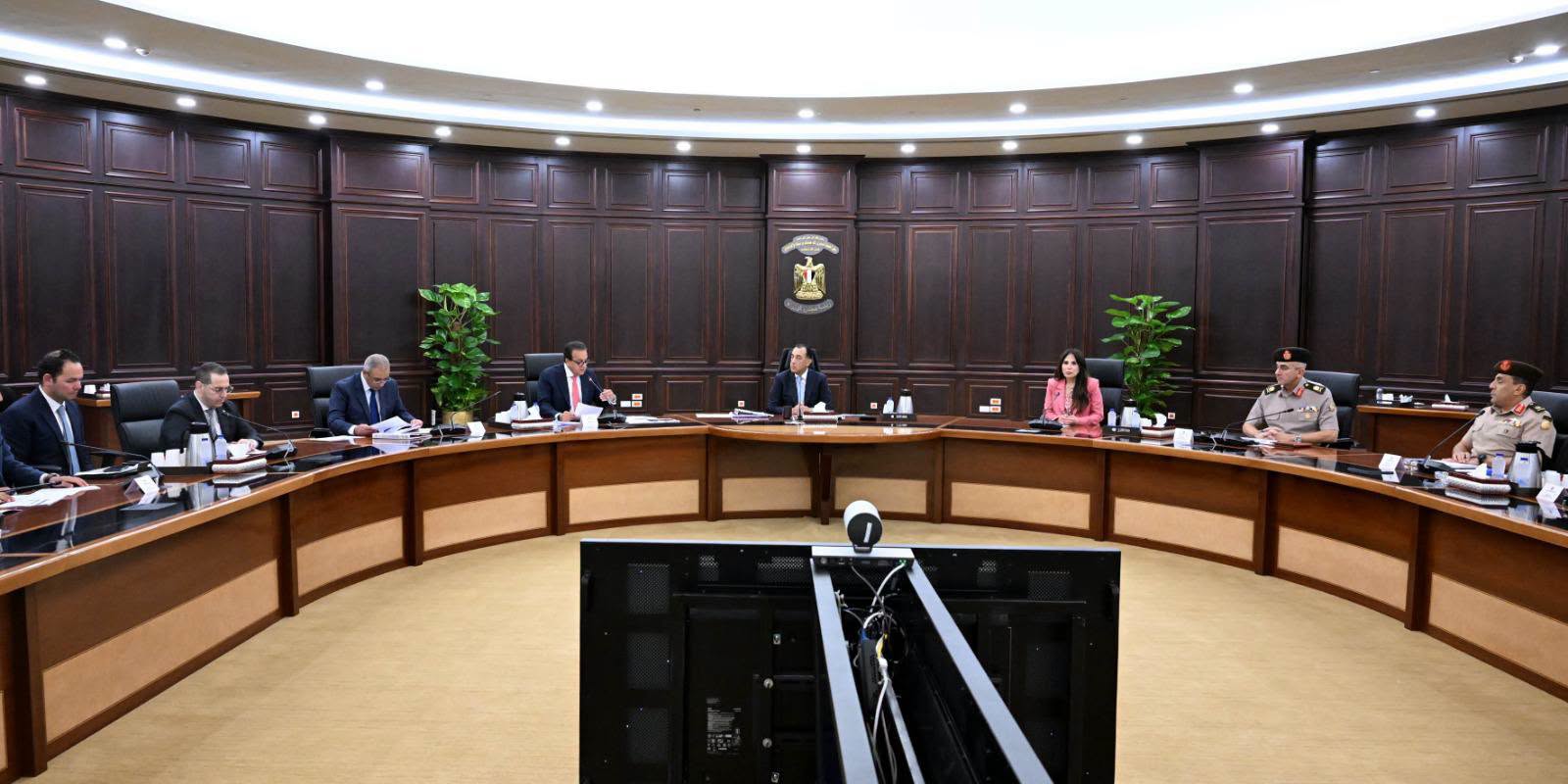
Egypt Advances USD 5bn Medical-Cities Proposal in New Capital and New Alamein
Prime Minister Mostafa Madbouly reviewed a proposal for two integrated medical cities in the New Capital and New Alamein on 5 August 2026. The meeting brought together the health and housing ministers, the Armed Forces Engineering Authority, teaching-hospital officials and representatives of an international private-sector consortium. The discussion concentrated on the financial model, technical structure and legal work needed before a final agreement and implementation can begin.
The consortium presented planned foreign direct investment exceeding USD 5 billion: approximately USD 2.8 billion for the New Capital medical city and USD 2.5 billion for New Alamein. These are proposed investment values, not completed expenditure or committed public revenue. The government directed a joint working group to complete technical, financial and legal discussions, meaning land selection, contracts, financing and final scope remain important conditions.
The proposed cities would combine specialist hospitals with medical, administrative, education and training zones. The model also includes modern institutes and professional training facilities intended to support Egyptian doctors and other healthcare workers. In New Alamein, the consortium is evaluating several plots and considering hotels that would connect treatment with accommodation and medical-tourism services.
Officials said the projects would be fully financed through foreign direct investment and that the state would receive a substantial share of hospital beds for the Universal Health Insurance system. That could be a major public benefit, but the announcement did not specify the percentage of beds, pricing rules, service standards or the mechanism through which eligible patients would access them. Those details will determine the practical value of the arrangement.
For urban development, medical cities can create durable year-round demand. Hospitals, laboratories, education, staff housing, hotels and daily services generate activity beyond seasonal tourism or office hours. In New Alamein, this could strengthen the government’s goal of turning the coastal city into a permanent economic centre. In the New Capital, the project could add a specialised healthcare and research cluster near expanding residential and administrative districts.
Buyers and investors should nevertheless separate the proposal from a completed project. No final agreement, construction timetable or opening date was announced. Claims about future medical-tourism volumes, including an expectation that the New Capital hospital could attract more than three million medical tourists during its first three years, are forecasts from project representatives. They depend on licensing, clinical quality, travel demand, insurance arrangements, hotel capacity and international marketing.
Developers near the proposed sites may benefit from demand for housing, serviced apartments, retail and hospitality. However, land values should not be priced solely on preliminary plans. The selected New Alamein plot has not yet been confirmed, and the exact catchment, access roads and utilities will affect surrounding opportunities. Investors should wait for approved sites, signed agreements and procurement announcements.
For government and the consortium, the next tests are governance and delivery. A cross-sector medical city needs clear responsibility for clinical regulation, construction, operations, data protection, training and public-bed commitments. International expertise can support design and management, while Egyptian medical professionals are expected to form the core workforce. Transparent operating contracts will be essential for balancing investor returns with public-health outcomes.
The August review is therefore a meaningful step, but still an appraisal and negotiation stage. Market participants should track the joint working group, final land allocation, investment agreement, hospital licences, named operators and construction milestones. Until those elements are public, the USD 5 billion figure should be treated as a proposed programme rather than a guaranteed delivery.
Primary source: Invest-Gate, 5 August 2026: https://invest-gate.me/news/prime-minister-reviews-the-proposal-for-two-integrated-medical-cities-in-the-new-administrative-capital-and-new-alamein-city/
Official background: State Information Service, 16 April 2026: https://sis.gov.eg/en/media-center/news/pm-says-govt-pays-great-attention-to-medical-city-project-in-new-capital/
The safest interpretation is progress toward bankable project documents, not an immediate construction start. That distinction matters for property pricing and public expectations.
Read Next Article
Alam El-Rum Moves from Mega-Deal to Master-Plan and Delivery Review
Egypt and Qatari Diar reviewed Alam El-Rum master plans and implementation, shifting attention from headline investment to phased delivery.
Read Next +