
Korba’s Ibrahim Pasha Street upgrade advances as pedestrian-only plan remains under study
korba-ibrahim-pasha-street-upgrade-september-2026
A 5 September inspection reviews shopfronts, utilities and 13 distinctive buildings. Ongoing works and proposed traffic changes are not a completed handover.
A neighbourhood upgrade, not a completed handover
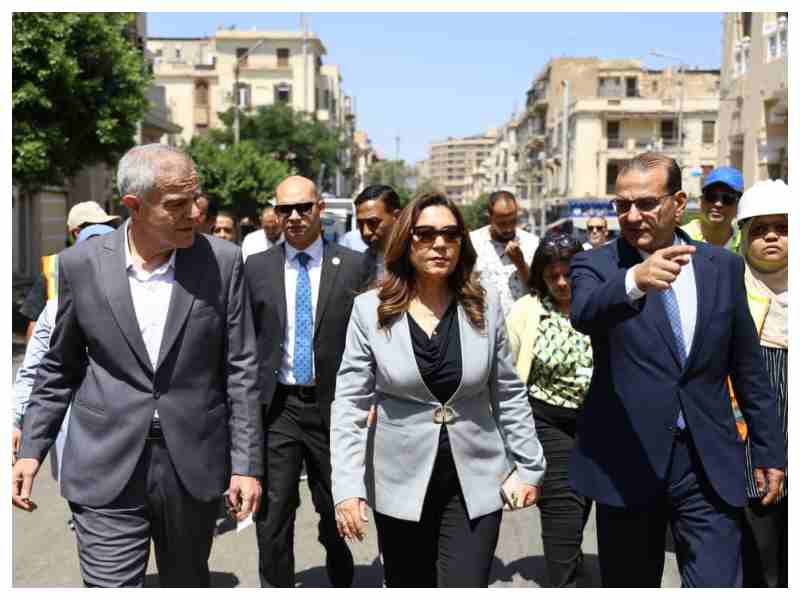
Work on Ibrahim Pasha Street in Korba, Heliopolis, has reached a new inspection milestone, with attention on shopfronts, utilities and the architectural character of surrounding buildings. Al Ahram Business and Al Shorouk reported Local Development and Environment Minister Manal Awad’s visit on 5 September 2026. Their accounts describe continuing works rather than the opening of a finished project. That distinction matters for residents, businesses and anyone considering property in the immediate area.
Al Ahram Business reports that the ministry is funding the project in coordination with Cairo Governorate and the reconstruction authorities. The work includes organising the external extensions of 64 shops and cafés, unifying signs and treating air-conditioning equipment more consistently. Restoration concerns 13 buildings with distinctive architectural character, in coordination with the National Organisation for Urban Harmony. These measures concern the street environment; they do not establish the condition of every privately occupied interior.
Utility progress needs careful interpretation
Al Shorouk reports completion of fibre-optic telecommunications and gas-network works, electricity works at approximately 90%, and 25% completion of a subsidiary sewer connection from El Massala Street to Ibrahim Pasha Street. These are component-level progress figures, not a single completion percentage for the entire upgrade. They should not be read as evidence that every individual property has a new connection, that all commissioning is finished or that disruption has ended.
Al Ahram Business also describes consideration of making the street pedestrian-only after completion, alongside surveillance intended to deter encroachments. This remains a proposal under study in the report, not a confirmed traffic restriction already in force. The minister called for engagement with residents and shopkeepers. Neither reviewed account supplies a firm opening date that we can responsibly present as a promise, nor an independently verified estimate of the project’s effect on property values.
What residents and prospective buyers can check
For households, the immediate questions are practical: which entrances remain accessible, where temporary works are taking place, and how maintenance teams can reach a building. Prospective buyers should inspect the particular property and its surroundings instead of treating a street-level improvement as a substitute for property due diligence. A refreshed façade does not answer questions about internal plumbing, common-area upkeep, building management or the obligations attached to an individual purchase agreement.
Anyone planning a move can ask the owner or manager for current information on utility connections and scheduled works, then compare that information with the relevant service provider or local authority. Photographs from an inspection document a moment in the project; they are not a completion certificate. Keeping dated records of the condition encountered during a viewing can make subsequent discussions clearer. These are editorial suggestions, not newly announced procedures or a statement that any particular building has defects.
Commercial implications
Shop operators have a different checklist. Changes to external seating, signs and access can affect how customers find and use a business. Operators considering a lease should clarify the permitted use of outside space and the responsibilities for signage or façade maintenance before relying on either in their business plan. A visually improved street may be attractive, but the reviewed reports do not measure additional footfall, sales or rental income. None of those outcomes should be assumed.
If pedestrianisation advances, delivery access, emergency access and arrangements for residents will be important details to watch. At present, the sensible distinction is between a design possibility and an adopted operating arrangement. Businesses can identify the questions they need answered without treating a newspaper description of a study as a binding rule. They should also avoid advertising unrestricted vehicle access or a guaranteed pedestrian setting when the final arrangement has not been established in the reviewed material.
What developers should watch next
For developers and refurbishment investors, Korba illustrates the interaction between public-space quality and existing buildings. A coherent street frontage depends on coordination across multiple owners and activities, not merely a single attractive property. The next useful evidence will be completed utility components, confirmed access arrangements and a clearly communicated finishing timetable. Until then, the project is best understood as an ongoing urban improvement with potential benefits, not a proven investment uplift or an assurance that every operational issue is resolved.
Photo: the ministerial inspection pictured in Al Ahram Business’s 5 September report.
Sources
Al Ahram Business, 5 September 2026, 13:54 Cairo; Al Shorouk, 5 September 2026, 14:34 Cairo. Both report the ministry’s inspection; a separate directly accessible ministry release was not located.
Read Next Article
Egypt announces 15,000 subsidised rental homes under Housing for All Egyptians 9
Applications start on 20 September for people with disabilities and 28 September for all eligible applicants. Official terms must resolve fee and unit-size discrepancies.
Read Next +